
Mission-ready stability
Stabilisation of cfDNA and RNA specimens
Unadulterated and stable blood samples are the basis for reliable and thus reproducible results of molecular biological analysis. The SARSTEDT S-Monovette® system ensures that the highest standards for collecting venous blood are met. The patented aspiration system reduces the haemolysis of the specimens to a minimum.
The stabilisation performance of the SARSTEDT S-Monovettes is unique on the market:
S-Monovette® cfDNA Exact
Reliable sample stabilization – up to 14 days at 6 °C – 37 °C
No gDNA entry from nucleated cells: unadulterated and accurate analysis results
Lowest hemolysis – best possible sample quality – reliable results
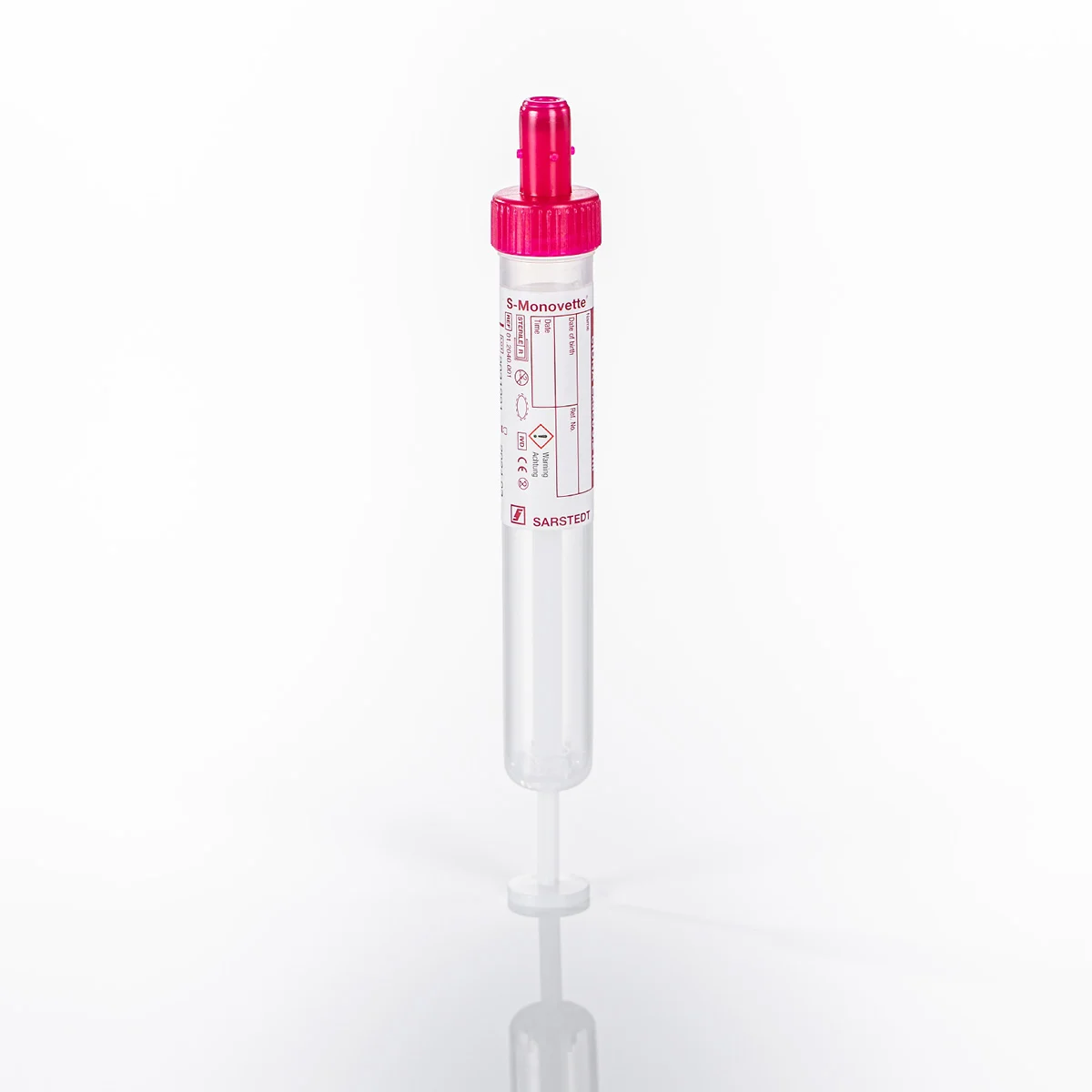
Optimal Stabilization of Liquid Biopsy Samples
The analysis of cell-free DNA (cfDNA) using liquid biopsy plays an increasing role in early detection of transplant rejection, non-invasive prenatal testing, and molecular characterization and therapy monitoring of tumor diseases. For cfDNA to be used in analyses, a minimum concentration in the sample is required. Without stabilization, blood cells begin releasing gDNA within just a few hours, causing the original cfDNA fraction in plasma to be masked by gDNA.
This problem is solved by the new S-Monovette® cfDNA Exact, which stabilizes cfDNA for up to 14 days at 6 °C to 37 °C. The S-Monovette® cfDNA Exact standardizes the pre-analytics of liquid biopsy samples and guarantees excellent sample quality.
S-Monovette® RNA Exact
Reliable sample stabilization:
- at room temperature up to 5 days
- refrigerated (8 °C) up to 14 days
- stable for many years at -80 °CMost reliable analysis results through consistently reliable stabilization of different transcripts and highest RNA yield
Significantly faster RNA isolation compared to established systems – effective time management – faster results
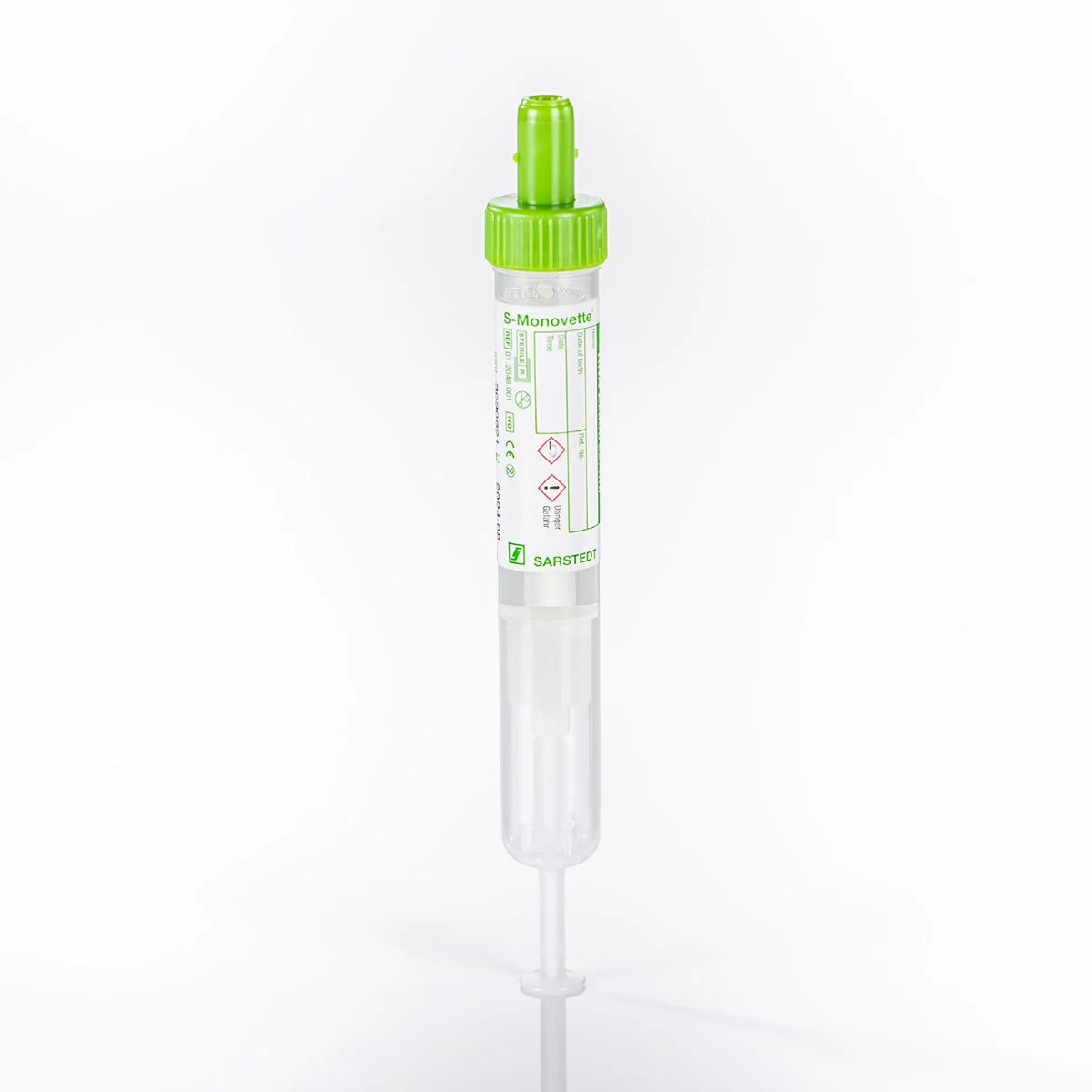
Accurate Results with the S-Monovette® RNA Exact
Blood samples represent an easily accessible source for the biomarker RNA, which can be used for gene expression analyses. Additionally, disease-related expression changes can be detected through RNA analyses, which is why RNA is used for diagnosing infections, tumors, cancer, autoimmune diseases, and metabolic disorders, thus enabling targeted therapy. However, the low stability of RNA and unnatural expression changes (e.g., induction of stress genes) after blood collection pose limitations for its use. These problems are solved by using the S-Monovette® RNA Exact, making the actual gene expression pattern available for subsequent analyses.
By using the S-Monovette® RNA Exact, standardization of sample collection for subsequent gene expression analyses is ensured.